









Simple Ways to Reduce Food Waste at Home
Reducing food waste at home is a great way to save money, conserve resources, and contribute to a healthier planet. Many of us throw away food without realizing how much could have been saved or reused. Fortunately, small changes in household habits can make a big difference. This post explores practical ways to cut down on food waste and make your kitchen more efficient.
Why Reducing Food Waste Matters
Food waste not only means wasted money but also impacts the environment. Uneaten food often ends up in landfills where it produces methane, a powerful greenhouse gas. Additionally, producing food requires water, energy, and land. By wasting less, we help reduce the environmental footprint of our meals.
Plan Your Meals Ahead
One of the most effective ways to reduce food waste is to plan meals before shopping. Here’s how:
– Make a grocery list: Write down what you need based on your meal plan and stick to it.
– Check what you have: Review your pantry and fridge to avoid buying duplicates.
– Plan for leftovers: Include meals that can be repurposed for another day, like soups or casseroles.
Meal planning helps you buy only what you need, reducing the chances of food spoiling before use.
Shop Smartly
How you shop can affect how much food gets wasted:
– Buy fresh produce in smaller amounts: Purchase loose fruits and vegetables to select the quantity you’ll use.
– Choose items with longer shelf life: When possible, opt for produce and products that will last longer.
– Avoid impulse buys: Stick to your list to prevent over-purchasing foods that may spoil.
Store Food Properly
Proper storage helps extend the life of food:
– Use airtight containers: Store leftovers and opened packages in sealed containers to maintain freshness.
– Keep fruits and vegetables separate: Some fruits release ethylene gas, which can hasten spoilage of nearby veggies.
– Know your fridge zones: Store foods in the right spots (e.g., meat on the bottom shelf, dairy in the colder areas).
Use Leftovers Creatively
Instead of throwing away leftovers, get creative:
– Turn scraps into stock: Vegetable peels and bones can be simmered into flavorful broth.
– Reinvent meals: Combine leftover rice or vegetables into fried rice or stir-fries.
– Freeze extras: Preserve meals in portion-sized containers for future quick meals.
Practice “First In, First Out” (FIFO)
When organizing your pantry and fridge:
– Place new items behind older ones: Use older products first to prevent them from expiring.
– Label leftovers with dates: This helps keep track of freshness and encourages timely use.
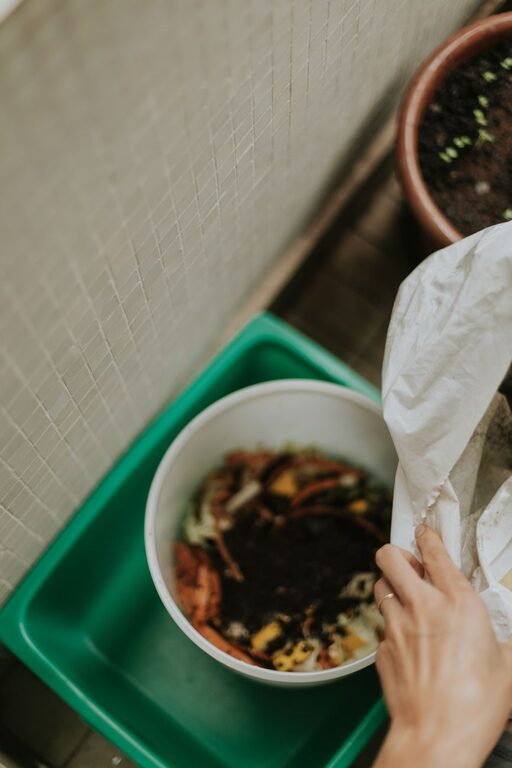
Compost Food Scraps
For food that can’t be eaten, composting is a sustainable option:
– Collect vegetable peelings, coffee grounds, and eggshells: These materials break down and enrich soil.
– Avoid composting meat or dairy: These items can attract pests and cause odors.
– Use a kitchen compost bin: It makes collecting scraps easy and helps keep your kitchen tidy.
Educate Household Members
Encourage everyone in your home to reduce waste:
– Share goals and tips: Explain why and how food waste reduction matters.
– Involve kids: Teach them about portion control and trying new foods.
– Assign roles: Have someone responsible for checking leftovers regularly.
Track Your Food Waste
Keeping track helps identify patterns:
– Use a notebook or app: Write down what you throw away and why.
– Adjust habits: Use this information to improve shopping and meal preparation.
Conclusion
Reducing food waste at home is achievable with simple, consistent steps. Meal planning, smart shopping, proper storage, and using leftovers creatively can significantly cut down waste. Composting and educating your household make the effort more sustainable and rewarding. By adopting these habits, you not only save money but also support environmental health one meal at a time. Give these tips a try and see the difference they make in your kitchen!